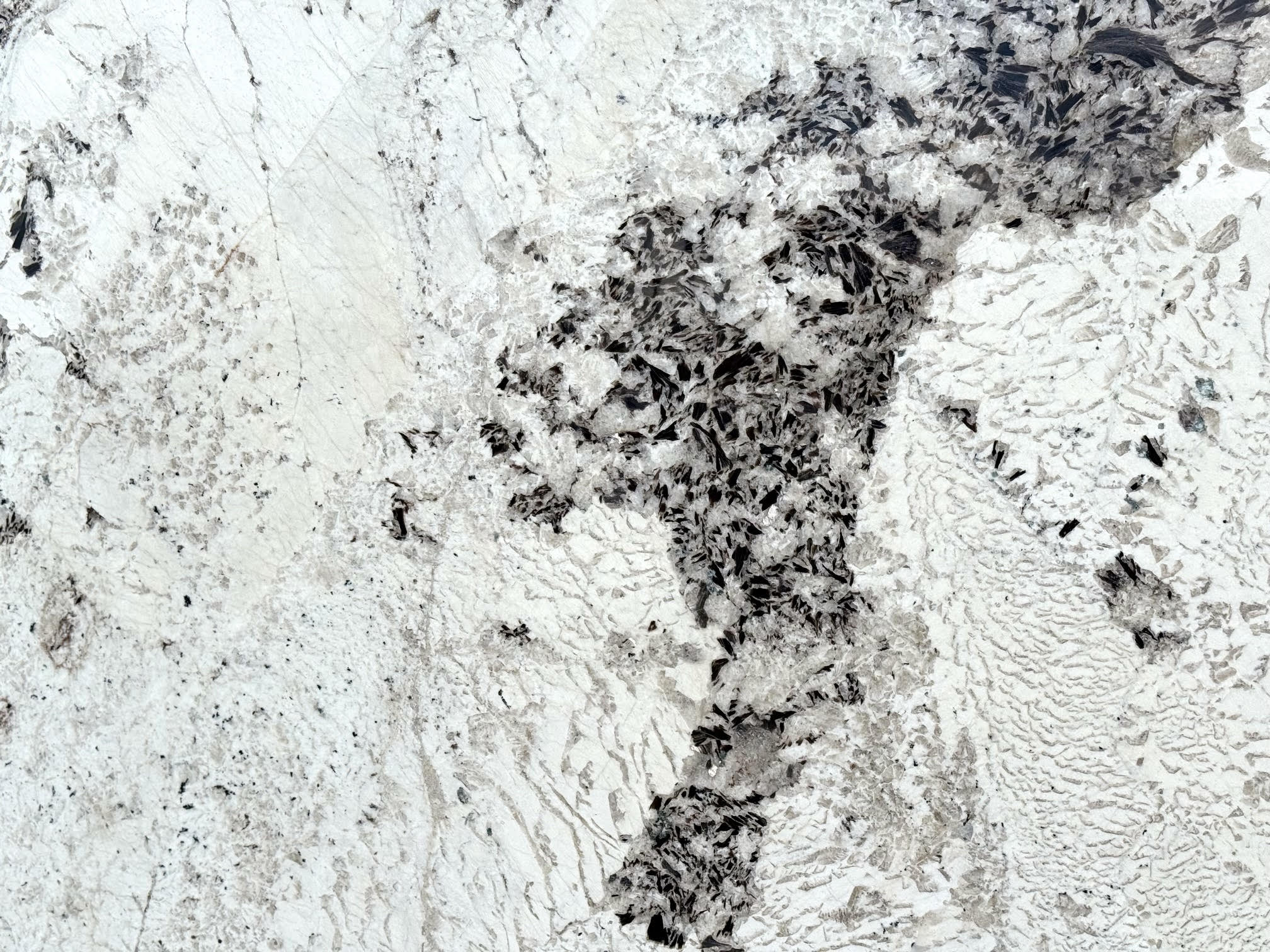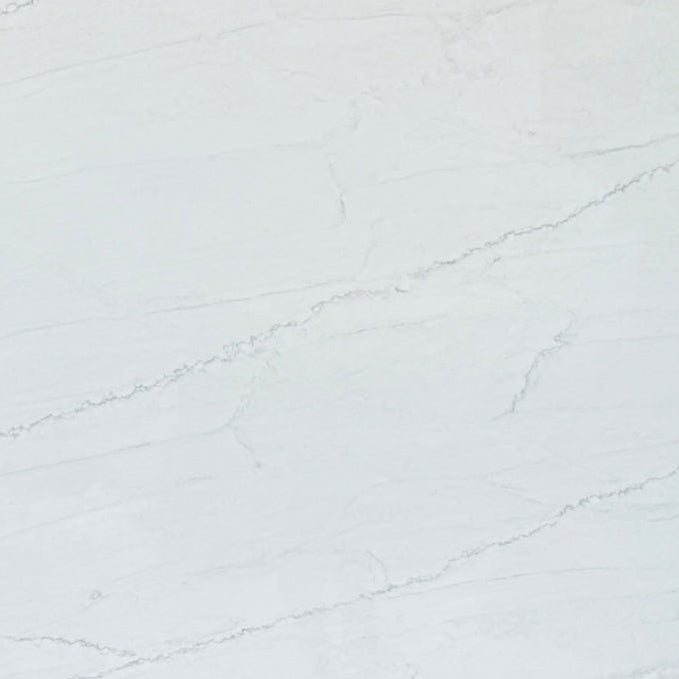

Residential construction in Houston continues to favor natural stone surfaces that deliver long life, stable structure, and consistent visual character. Homeowners now place strong focus on materials that maintain surface clarity under daily use and indoor temperature shift. Quartzite stands at the center of this movement through natural density, tight crystal composition, and wide slab pattern range. Builders use quartzite across kitchens, baths, fireplaces, stair systems, and full-slab wall features with steady success.
Installation trends in Houston reflect a shift toward larger slab formats, controlled seam placement, and integrated vertical applications. Home layouts now lean toward open kitchens, connected living zones, and statement surfaces that extend beyond horizontal planes. Quartzite suits this direction through slab strength, edge stability, and long service behavior under indoor conditions.
Large Format Quartzite Slabs in Open Houston Floor Plans
Houston homes now favor open layouts that connect kitchens, dining areas, and living zones into one continuous space. This layout style increases demand for large format quartzite slabs that limit seam visibility and support wide visual flow across connected rooms.
Fabricators install oversized slabs across waterfall islands, full-height backsplashes, and integrated wall panels to maintain uninterrupted surface movement. The absence of frequent seams allows natural mineral pattern to flow across the room without visual breaks. This approach adds surface calm and scale balance to open interiors.
Large quartzite slabs also simplify edge transitions on island ends and seating overhangs. Mitered profiles maintain full slab thickness appearance without exposed substrate. This method builds clean mass at transitions from counter to vertical face.
Open floor plans also apply continuous slab runs from counters to side walls in prep zones. This installation style reduces shadow lines and creates one unified surface column across the kitchen core.
 Large slab installation patterns
- Waterfall island construction
- Full-height backsplash panels
- Continuous counter-to-wall transitions
- Mitered slab edges
- Reduced seam usage across wide spans
Large format slab installation now defines many Houston residential interiors. Quartzite supports this approach through slab strength and consistent dimensional control across fabrication stages.
Vertical Quartzite Installations on Residential Walls
Vertical quartzite use continues to expand across Houston homes. Builders now extend stone from horizontal surfaces onto surrounding walls to form unified material fields. This method reinforces architectural structure rather than treating stone only as a countertop surface.
Fireplace walls commonly feature full quartzite slab cladding from floor to ceiling. Mineral movement rises along vertical planes and draws visual focus toward the living core. Controlled lighting accentuates depth across vein structures.
Bathroom walls also apply quartzite in shower enclosures, vanity backsplashes, and tub surrounds. Large slab wall installation reduces grout joint count and surface interruption. This method improves visual flow and simplifies routine surface care.
Entry halls and stair landings now carry quartzite accent walls that create immediate visual impact at interior arrival points. Tall slab placement delivers continuous mineral character across multi-level surfaces.
Key vertical quartzite uses
- Full-height fireplace walls
- Shower wall panels
- Vanity background slabs
- Entry feature walls
- Staircase vertical cladding
Vertical quartzite installation has become a defining trend across Houston residential design. The stone now shapes both functional and decorative wall zones through unified slab construction.
 Quartzite Finish Preferences in Residential Settings
Surface finish selection now plays a larger role in residential quartzite installations across Houston. Homeowners match surface touch response with room activity and lighting behavior.
Polished quartzite remains common in kitchens and baths. This finish provides high surface clarity and bright light response under ceiling lighting. Homeowners favor polished slabs for visibility of mineral detail and ease of routine cleaning.
Honed quartzite gains use in primary bath spaces and transitional hall zones. The matte finish softens surface reflection and supports calm visual tone under soft lighting. This finish suits spaces that avoid direct light glare.
Leathered quartzite now appears on many island tops and bar counters. Micro-texture increases surface grip and adds tactile interest without changing slab strength. Light scattering across the textured surface reduces fingerprint visibility.
Residential quartzite finish patterns
- Polished for kitchens and full slab showers
- Honed for quiet bath zones
- Leathered for islands and wet bars
- Brushed for low-glare wall panels
- Natural cleft for select rustic features
Finish control now shapes how quartzite performs across room function rather than serving purely decorative goals within Houston homes.
Seam Placement and Book-Matching Trends
Seam strategy now forms one of the most visible quartzite installation trends in Houston residential projects. Designers plan seam location at early layout stages to preserve mineral flow and reduce pattern disruption.
Book-matched quartzite has grown into a dominant feature method. Fabricators mirror slab pairs at the center seam to create symmetrical mineral movement. This method appears most often on waterfall islands, large shower walls, and fireplace features.
Continuous vein alignment also gains traction in long hallway walls and stair riser panels. Slabs follow the same directional flow across multiple surfaces to create uninterrupted vein travel across space.
Random seam placement appears less often in feature zones and remains limited to subtle quartzite groups with low directional movement.
Edge seam minimization has also become a core goal. Fabricators use larger slab sections and improved cutting precision to reduce total seam count across primary surfaces.
Modern seam and layout practices
- Book-matched slab centers
- Directional vein continuity
- Large slab seam reduction
- Vertical seam alignment on tall walls
- Waterfall edge seam concealment
Seam planning now defines the difference between standard stone installation and premium quartzite installation in Houston residential projects.
Quartzite Use Across Key Residential Spaces
Quartzite installation across Houston homes now spans every primary residential zone. Material continuity across rooms has become a major design preference.
Kitchen zones rely on quartzite for counters, islands, full-height backsplashes, and prep walls. The stone manages high daily activity with minimal surface fatigue under typical residential use patterns.
Bathrooms install quartzite on vanity tops, wet walls, shower panels, and freestanding tub decks. Low water intake behavior supports stable color tone across humid interior spaces.
Living areas integrate quartzite into fireplace structures, console surfaces, shelving units, and feature partitions. The stone provides both structure and decorative depth across high-visibility rooms.
Stair treads and risers now appear in quartzite across luxury homes. Edge stability and slip-control finishes support safe daily traffic in vertical circulation zones.
Primary residential quartzite applications
- Kitchen counters and waterfall islands
- Bathroom vanities and full slab showers
- Fireplace surrounds and media walls
- Stair risers and treads
- Entry hall and feature surfaces
Residential quartzite now functions as a unified surface system across multiple living environments rather than as a single-room material choice.
Fabrication Precision and Installation Coordination
Fabrication accuracy now plays a greater role in Houston quartzite installation outcomes. Residential clients demand consistent seam alignment, precise cutouts, and sharp edge definition across all stone surfaces.
Digital templating guides slab cutting with high dimensional control. This method allows exact alignment between site conditions and fabrication layouts. Sink openings, appliance cutouts, and waterfall joints retain tight tolerance across installation.
Transport and on-site handling also receive greater focus with full slab movement. Specialized lifting systems and edge protection methods reduce fracture risk during staging.
Installation crews now coordinate closely with cabinetry, electrical, and plumbing teams. Early alignment prevents field modifications that could disturb slab integrity or seam flow.
Current fabrication and installation practices
- Digital surface templating
- CNC slab cutting systems
- Controlled site staging
- Coordinated cabinet alignment
- Precision edge profiling
Fabrication quality now serves as a central trend rather than a background process. Proper coordination defines the final performance of quartzite in Houston residential interiors.
Conclusion: Quartzite Installation Direction in Houston Homes
Quartzite installation trends across Houston residential projects now reflect a shift toward large slab formats, extended vertical surface use, controlled seam planning, and refined finish selection. Light quartzite dominates open kitchens with broad surface flow. Dramatic veined slabs define focal islands and fireplace walls. Book-matched layouts shape visual symmetry. Polished, honed, and leathered finishes support room-specific surface behavior. Precision fabrication now controls final installation quality from cutting through coordination.
Quartzite continues to expand across kitchens, baths, living zones, stair systems, and entry features with consistent performance under Houston interior conditions. The stone now functions as a primary architectural element rather than a limited surface material.
A full range of current slab options remains available through the Quartzite natural stone collection, where residential designers and builders can review color groups, slab patterns, and surface characteristics for interior use.
At the base of this quartzite supply network stands Terra Granite, which supports residential projects across the region with consistent stone sourcing and slab availability.