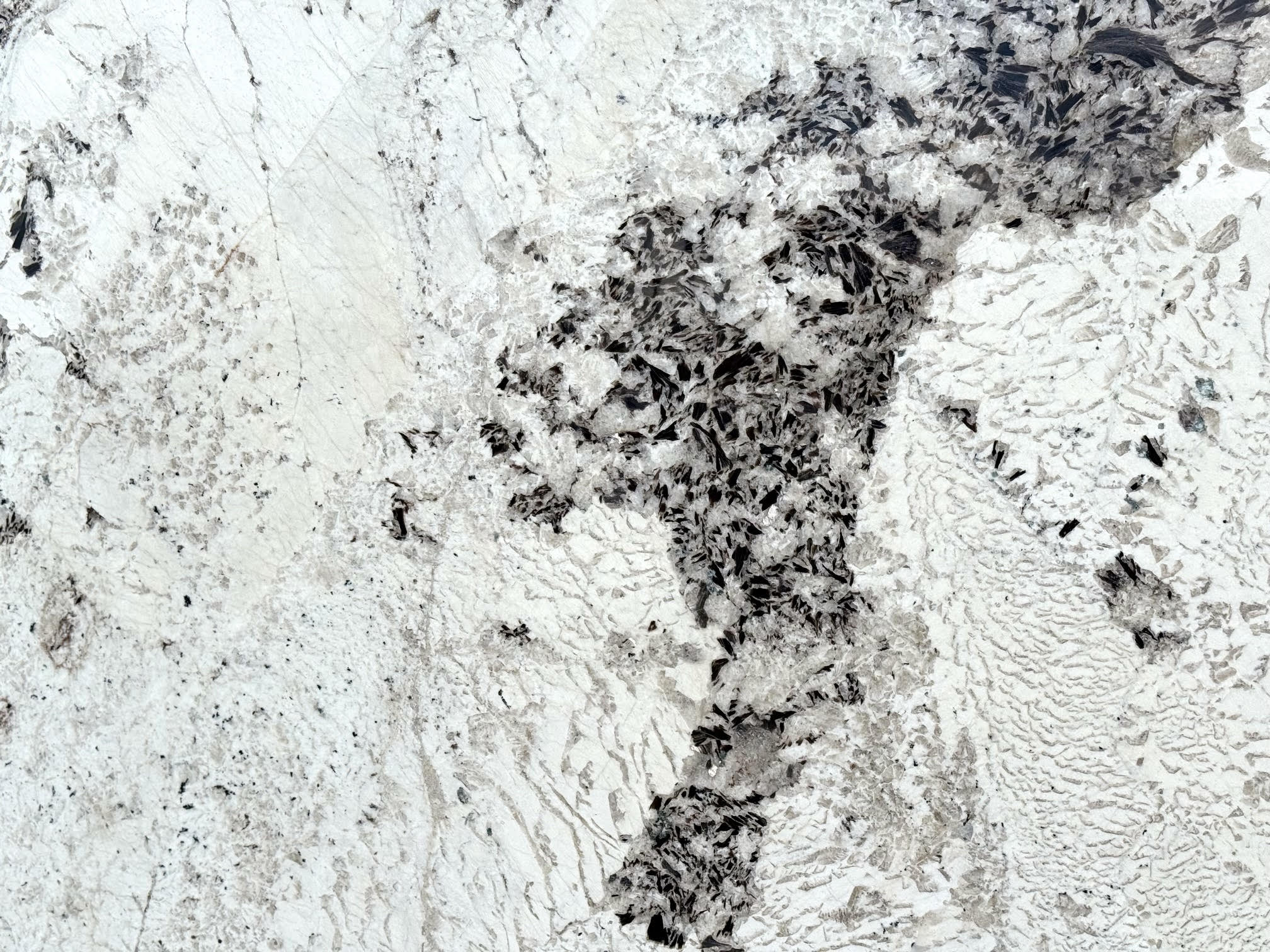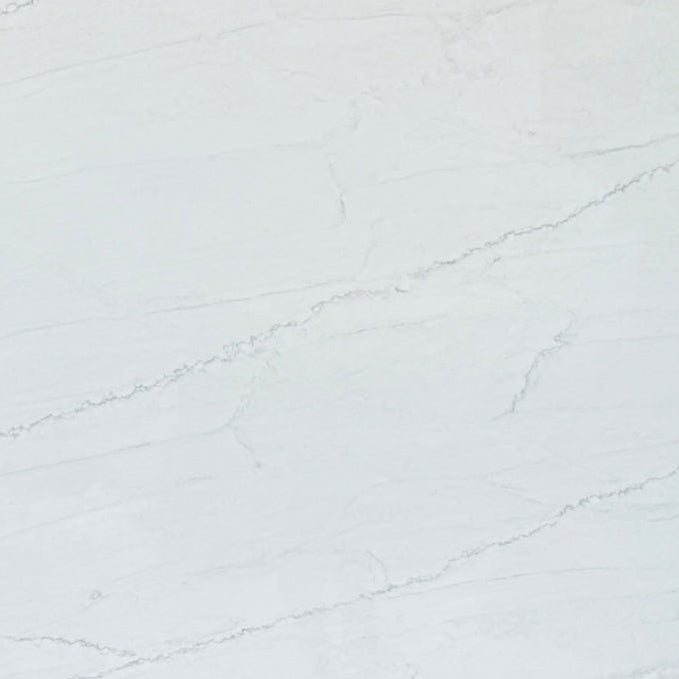

Interior projects in Houston require surface materials that manage daily use, indoor heat, and long service life without visual fatigue. Builders and designers often select natural stone for this purpose. Quartzite stone holds a strong position across Houston interiors through natural hardness, surface stability, and wide color range. Kitchens, baths, stairs, walls, and large slab features rely on quartzite for dependable performance and consistent visual flow.
Quartzite forms under extreme pressure from sandstone. This formation process creates a dense crystal structure with low water intake and high scratch resistance. These traits support long-term interior use in busy homes and commercial spaces. Designers select quartzite for projects that demand both surface strength and natural mineral appearance.
Quartzite Performance in Houston Interior Environments
Quartzite delivers reliable performance across Houston interiors due to its dense crystal structure and low porosity. Indoor conditions across the city include strong air conditioning cycles, thermal variation from appliances, and high daily traffic. Quartzite maintains surface integrity under these conditions with consistent results.
Kitchen counters benefit from quartzite through strong resistance to scratch marks and heat contact. Hot cookware placement does not disturb the surface under normal use. Food acids such as citrus and vinegar leave minimal marks compared with softer stone types.
Bath environments place constant moisture load on surface materials. Quartzite limits water intake through its natural structure. This trait protects surface tone near sinks, tubs, and shower walls. Long slab panels hold seam stability under daily temperature change.
Interior floors, stair treads, and wall systems also gain from quartzite’s structural density. Edge profiles remain stable under daily foot traffic. Surface finishes such as honed and leathered support slip control in wet transition zones.
 Quartzite interior performance traits
- High scratch resistance
- Low interior water absorption
- Stable behavior under temperature change
- Long structural service life
- Consistent tone under indoor lighting
Quartzite supports Houston interiors that require dependable surface behavior across kitchens, baths, and structural zones without frequent refinishing.
Light Tone Quartzite for Modern Houston Interiors
Light color quartzite fits modern interior design across Houston homes and commercial projects. White, cream, silver, and soft gray quartzite slabs reflect light across open floor plans. These tones expand visual width across kitchens and living areas without glare.
Kitchen islands and counters often use light quartzite for surface continuity between prep zones and social spaces. Cabinet finishes in wood, matte paint, and high-gloss lacquer blend well with these neutral tones.
Bathroom walls and vanities benefit from light quartzite through uniform brightness and stone clarity. Ceiling lighting reflects evenly across slab surfaces. Mirrors and glass features gain depth through this mineral reflection.
Fireplace surrounds, shelving units, and media walls also apply light quartzite for structure without dark mass. Vertical slab installations support clean architectural lines across modern homes.
Common light-tone interior uses
- Kitchen counters and islands
- Full slab bathroom walls
- Shower enclosures
- Fireplace cladding
- Vertical architectural panels
Light quartzite supports Houston interiors that favor open space, high reflectance, and calm mineral movement without visual noise.
 Dramatic Veined Quartzite for Statement Design
Dramatic quartzite features bold vein flow across dense mineral backgrounds. These slabs show deep gray, gold, charcoal, and soft blue mineral layers. This movement creates visual focal points without applied surface coatings.
Large waterfall islands often use dramatic quartzite to define the center of open kitchens. Book-matched slab alignment forms mirrored mineral flow across the core seam. Lighting highlights depth across the vein layers.
Bathrooms feature dramatic quartzite for tub decks, accent walls, and vanity backgrounds. Tall slab panels guide visual movement along vertical wall planes. Controlled lighting enhances contrast without surface glare.
Entry halls, stair walls, and feature partitions also benefit from this stone group. Continuous slab placement across multi-story surfaces builds uninterrupted mineral motion from floor to ceiling.
Dramatic quartzite interior applications
- Waterfall kitchen islands
- Statement fireplace walls
- Back-lit feature panels
- Entry hall surfaces
- Vertical stair cladding
Dramatic veined quartzite fits interior projects that rely on natural stone character as the primary design driver across Houston luxury builds.
Quartzite Surface Finishes for Interior Use
Surface finish alters how quartzite performs under daily contact and how light interacts with its mineral structure. Houston interiors apply different finishes based on room function and lighting behavior.
Polished quartzite reflects light with strong surface clarity. Kitchens and baths often use polished finishes for visual depth and surface visibility. This finish simplifies routine surface cleaning in food contact zones.
Honed quartzite presents a low-sheen matte surface with soft visual character. Designers apply this finish to baths, fireplaces, and stair treads where glare reduction supports calm interior environments.
Leathered quartzite carries a fine texture across the surface through controlled abrasion. This finish adds grip and tactile depth on kitchen islands and bar counters. Mineral movement remains visible without strong reflectance.
Common quartzite finish types
- Polished for full reflectance
- Honed for matte softness
- Leathered for tactile grip
- Brushed for light texture control
- Natural cleft for minimal processing
Finish selection shapes both function and mood. Houston interior projects rely on finish control to match room activity, lighting behavior, and surface contact level.
Quartzite Layout Patterns in Houston Architecture
Quartzite layout controls how mineral movement flows through interior architecture. Slab size, seam direction, and vein alignment influence final visual outcome.
Book-matched layouts pair mirrored slabs at the center seam. This layout suits waterfall islands, feature walls, and full-height shower panels. Symmetry creates balanced mineral flow.
Vein-direction sequencing aligns slab direction across extended surfaces. Long corridors, stair walls, and linear backsplashes benefit from this layout approach.
Random slab orientation reduces vein dominance in subtle quartzite groups. Designers select this method for large floor fields and wide wall systems with soft mineral activity.
Mitered edge construction maintains slab continuity across thickness zones on counters and vanities. This method increases visual mass without exposing raw substrate edges.
Common interior layout methods
- Book-matched slab alignment
- Continuous vein sequencing
- Random orientation fields
- Waterfall edge construction
- Full slab vertical cladding
Layout planning shapes how quartzite defines space across Houston interiors without surface conflict or visual fragmentation.
Quartzite Use Across Key Houston Interior Rooms
Quartzite adapts across all primary interior rooms used in Houston construction and renovation projects. The stone maintains consistent performance across dry, wet, and transitional zones.
Kitchen zones rely on quartzite for counters, islands, backsplashes, and integrated wall panels. The surface resists daily wear from food preparation, appliance heat, and cleaning activity.
Bathrooms apply quartzite to vanity tops, shower walls, tub decks, and flooring zones. Low absorption protects color tone under moisture exposure.
Living areas integrate quartzite into fireplaces, console surfaces, shelving, and feature walls. The stone delivers both structure and visual depth in high-visibility areas.
Office and commercial interiors also use quartzite on reception desks, conference tables, and lobby wall panels where surface durability matters.
Primary interior quartzite applications
- Kitchen counters and islands
- Bathroom vanities and wet walls
- Fireplace surrounds
- Stair risers and treads
- Commercial work surfaces
Quartzite functions as a unified material language across diverse interior uses without performance gap between rooms.
Conclusion: Quartzite Stone as a Core Material for Houston Interiors
Quartzite stone provides Houston interior projects with surface stability, low absorption behavior, and wide mineral character. Light quartzite supports modern floor plans with brightness and clarity. Dramatic veined quartzite defines focal areas with natural movement. Polished, honed, and leathered finishes shape both visual and tactile interaction across kitchens, baths, and architectural walls. Book-matched layouts, continuous vein alignment, and waterfall edges guide large slab integration.
Interior kitchens, bathrooms, living spaces, stair systems, and professional environments all gain from quartzite’s dense crystal structure and long service performance under Houston’s indoor use patterns.
A wide selection of slab options remains available through the Quartzite natural stone collection. At the base of this quartzite supply network stands Terra Granite.