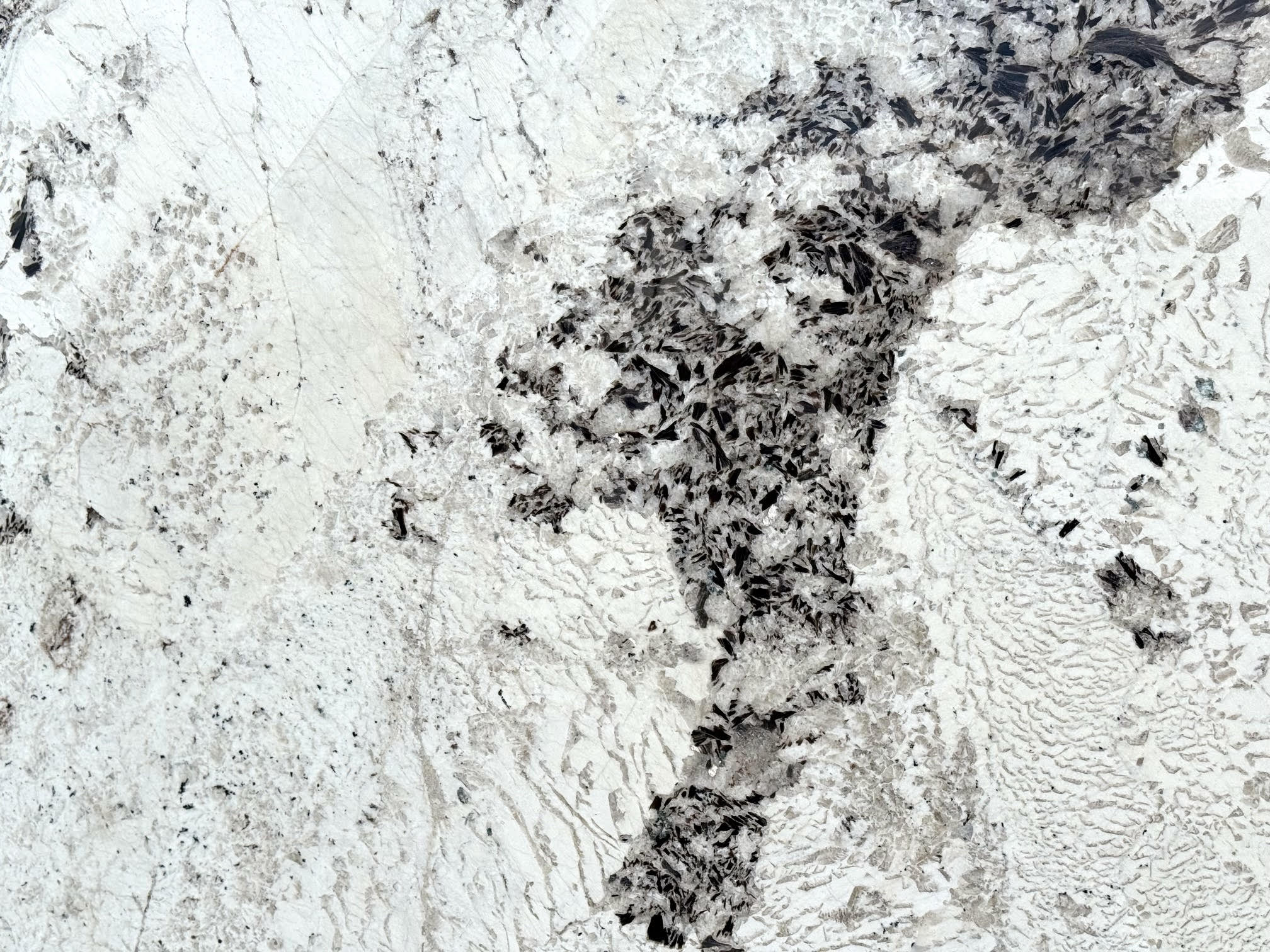

Travertine has a warm and soft stone look. Bands, pores, small pits, and shifts in tone give each slab its own character. Brazilian stone gives Houston buyers another source option, yet the origin name alone does not tell the full story.
For Brazilian travertine Houston projects, the exact slab matters most. Color matters. Vein flow matters. Pore size, fill, finish, slab size, and depth matter too. A kitchen worktop also needs a different review from a wall or fireplace.
The Natural Stone Institute classifies travertine as a type of limestone. Mineral-rich spring water forms the stone on land. Travertine has a calcium carbonate base, so mild acids can alter the surface. Water uptake also varies from one stone type to another.
Terra Granite’s Travertine collection currently shows a Brazilian travertine entry called Travertino Exclusive. The page lists beige, light brown, and light gray tones, a polished face, 3 cm depth, and a 113 x 46 slab size.
A smart stone choice comes from seeing how all these parts work with the real room.
1. Brazilian Origin Gives Context, but the Exact Slab Tells More
A country label tells a buyer where the stone came from. It does not promise one fixed color or one fixed pore pattern. It also does not give a single level of water uptake or strength. The slab itself gives the buyer far more useful detail.
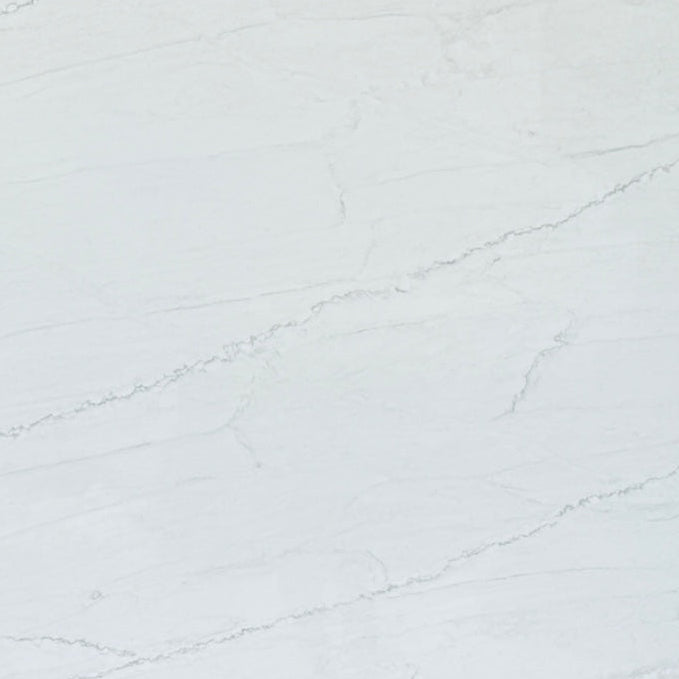
Terra Granite lists Travertino Exclusive as Brazilian travertine stone. Its page shows a beige field with light gray and tan horizontal veins. Terra Granite lists a polished face, 3 cm depth, and a 113 x 46 slab size.
Those facts help shape a real design plan. Long horizontal bands can read very well across a wall panel, vanity, or fireplace. A small cut from the same slab may show far less movement.
Travertine forms as minerals build up from spring water. The process can leave layers and natural voids. Small pores form part of the stone’s look. Some slab makers fill surface holes before polishing.
A useful travertine buying guide looks at several points:
- Main tone and vein flow shape the room palette.
- Pores and filled spots change the surface look.
- Slab size affects seams and cut plans.
- Stone depth affects edge and fabrication plans.
- Surface finish changes light and touch.
- Room use changes care needs.
The key point stays simple. Brazilian natural stone does not follow one design rule. A Brazilian label gives source details. The real slab gives the color, scale, texture, and pattern.
A full-slab view helps most. A small sample may show beige stone, yet it cannot show a long gray band that crosses several feet. The larger view lets the buyer plan where those lines will appear after cutting.
2. Color, Veins, Pores, and Finish Create the Main Visual Difference
Travertine often gets much of its look from mineral bands and natural voids. The Natural Stone Institute describes travertine as land-formed limestone. Soft earth tones appear often in this stone group, but every material can show its own mix of color and structure.
For travertine slabs Houston buyers, vein direction deserves a close look. Long bands can give a slab a calm, linear look. Broad mineral zones create a softer pattern. The room size changes how much of that movement a person sees at one time.
Terra Granite’s Brazilian Travertino Exclusive has a beige base with light gray and tan horizontal veins. Its polished finish gives the face more reflection. The page lists beige, light brown, and light gray as its colors.
A slab review can cover these points:
- A wide view shows the main vein flow.
- A close view shows pores and fill.
- Side light shows surface changes.
- The edge shows some deeper holes.
- Cabinet samples help test tone.
- Floor samples help test warm and cool shades.
A Houston stone yard visit also gives a much better sense of scale than a phone screen. Terra Granite offers a virtual tour of its slab center, so buyers can see the slab-yard setting before a trip. The company lists its slab center at 12642 Hempstead Road in Houston.
The label premium travertine slabs should never replace a real slab check. The exact face tells more. The buyer can see pores, natural marks, light shifts, and band direction.
A long vanity may suit straight vein flow. A fireplace panel may benefit from a strong band across its face. A small table top may show just one quiet part of the slab. Cut size changes the final look.
3. Travertine for Countertops Needs More Careful Planning
Wall use and counter use place very different demands on stone. A wall gets little direct wear. A vanity faces water and personal care products. A kitchen worktop meets food, oils, cleaning products, spills, and daily contact.
The Natural Stone Institute states that travertine and limestone use a calcium carbonate base. Mild acids can change that type of stone. It also notes a wide range in water uptake within the limestone and travertine group. Those traits limit the number of varieties that work well for some counter uses.
That point matters for travertine for countertops. A buyer should judge the exact stone and the planned room use. A skilled fabricator can review the slab, cut plan, support, and care needs.
A counter review can cover:
- Acid contact from citrus and food.
- Water and stain response.
- Surface pores and filled areas.
- Sealer needs for the exact stone.
- Edges near sink cuts.
- Cleaning products made for limestone.
- Surface wear over time.
These checks also help buyers compare travertine with other natural stone Houston options. Granite has a different mineral makeup. Quartzite has another. Marble has its own care profile. Travertine deserves care rules made for travertine.
The Natural Stone Institute lists ASTM C1527 as the standard specification for travertine dimension stone. Other stone tests cover water absorption, compressive strength, and flexural strength. Such data can help on jobs with demanding use.
A bathroom wall and a busy kitchen island do not ask the same thing from a slab. The use case should guide the stone choice.
Travertine can bring a calm and natural feel to a room. A buyer still needs a clear idea of how the surface will age and how daily care will work.
4. How Houston Buyers Can Shop Brazilian Travertine with More Confidence
A useful stone-yard visit ties the slab to the room. Room sizes help. Cabinet colors help. A floor sample can reveal hidden gray or tan notes. A rough cut plan also shows how much stone the job needs.
For Brazilian stone suppliers, current stock can shift over time. Terra Granite’s travertine page currently shows one Brazilian product. Its product details list the source, slab size, depth, finish, and main colors.
A buyer can frame the review around a short set of questions:
- Does the slab cover the planned cuts?
- Does the vein flow suit the room?
- Do the pores suit the desired look?
- Does the polish fit the room light?
- Does the planned use fit the stone?
- Does the fabricator approve the cut plan?
The listed Travertino Exclusive slab measures 113 x 46 inches. Terra Granite lists 3 cm depth and a polished finish. Those details give a fabricator a useful base for a cut map.
This type of review also helps compare Brazilian travertine Houston material with granite, marble, quartzite, and other slabs. Each stone group has its own look and care profile.
Buyers should also look at seams. A strong horizontal band may need careful placement where two pieces meet. A sink cut can remove a large part of the best pattern. A wall panel may keep far more of the original slab face.
The same logic applies to Brazilian natural stone in any room. Origin tells part of the story. Design and use tell the rest.
A good final choice links pattern, dimensions, finish, room use, and fabrication. That gives the buyer a much clearer basis than country name alone.
10 FAQs About Brazilian Travertine in Houston
1. What is Brazilian travertine?
Brazilian travertine comes from quarries in Brazil. It belongs to the limestone family and can show pores, mineral bands, earth tones, and natural shifts across each slab.
2. Is Brazilian travertine always beige?
No. Color can change by stone and quarry. Terra Granite’s Brazilian example uses beige, light brown, and light gray, but origin alone does not set one fixed palette.
3. Is travertine suitable for kitchen countertops?
Some varieties may fit counters, but acid response and water uptake need review. The exact slab, room use, care plan, and fabricator input should guide the choice.
4. Why does travertine have small holes?
Mineral-rich spring water forms travertine in layers. That natural process can leave small voids and pores in the stone, which help create its distinct surface character.
5. What does polished travertine look like?
A polished face reflects more light and can deepen the visible tone. Natural pores, fill, mineral bands, and small stone marks can still show across the finished slab.
6. Is travertine the same stone as marble?
No. Travertine belongs to the limestone group. Marble forms through a different geologic process, so the two stones have different structures and visual traits.
7. What should a buyer inspect on a travertine slab?
Useful checks include tone, vein flow, pores, filled spots, surface finish, size, depth, edge condition, seam plans, and the location of sink or other large cuts.
8. Does travertine need special cleaning?
Yes. Acidic cleaners can harm calcium-based stone. A care plan should use products made for limestone and follow the advice from the supplier or fabricator.
9. How thick is Terra Granite’s Brazilian travertine?
Terra Granite lists Travertino Exclusive at 3 cm deep. Its product page also gives a 113 x 46 slab size, a polished face, and Brazil as the country of origin.
10. Where can buyers view stone in Houston?
Terra Granite lists its slab center at 12642 Hempstead Road in Houston. Its site also has a virtual slab-center tour and current stone collection pages.
Brazilian travertine brings warm tones, horizontal movement, pores, and a softer stone look than many granites. Yet Brazilian origin alone does not make one slab right for every room.
For travertine slabs Houston projects, a full review gives the clearest picture. Size, pattern, finish, pores, planned use, and care all matter. Countertop plans need extra care since acids can alter calcium-based stone.
Terra Granite offers natural stone from its Houston slab center. You can visit our page at Terra Granite to view current stone collections and product details.