
A new countertop can change how a kitchen looks and feels. It can also affect home value in Houston. Many people compare Quartzite vs Quartz before they choose a surface. Both options look good. Both can fit modern and classic kitchens. But they differ in value, care, strength, and long-term appeal.
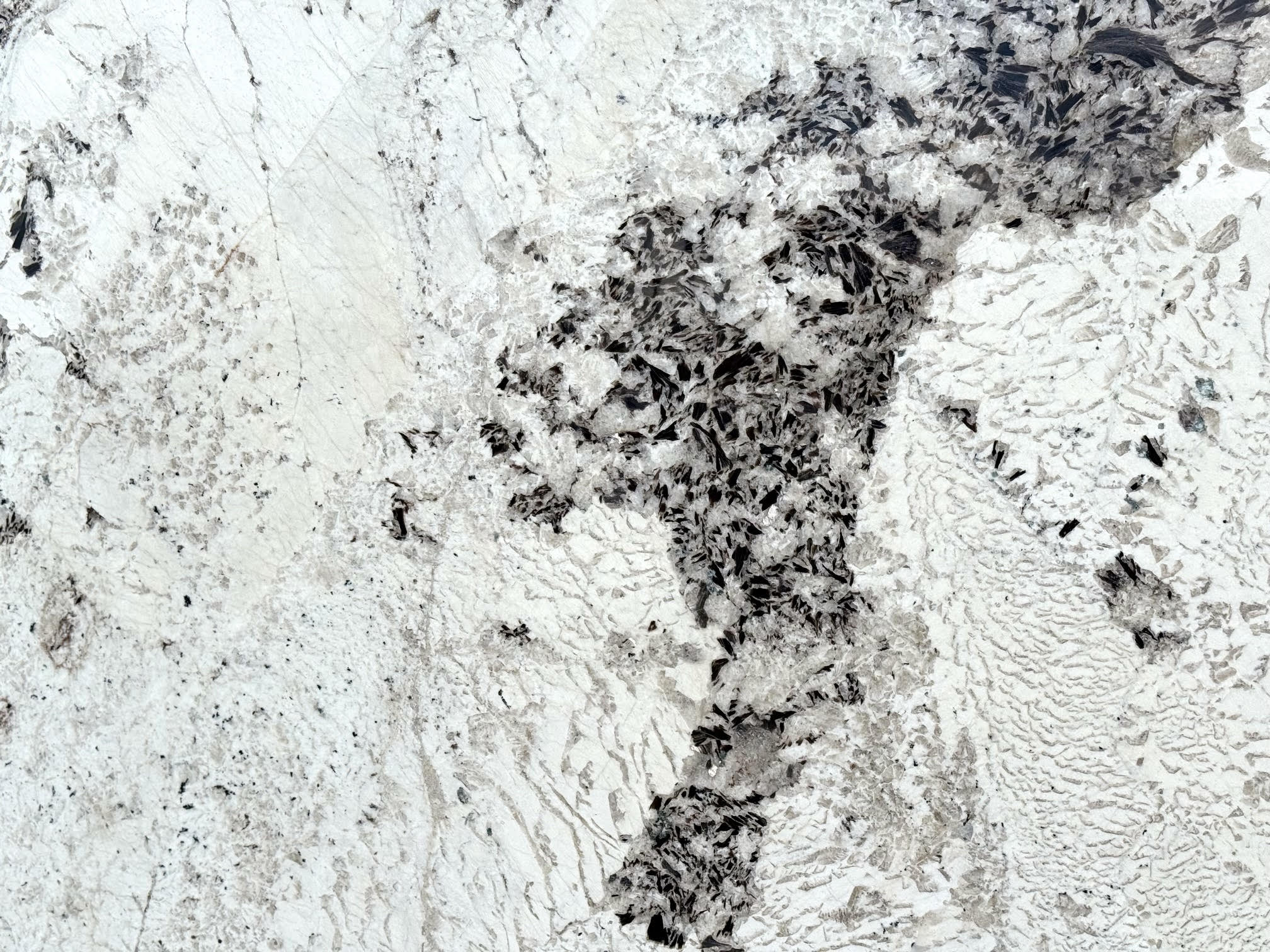
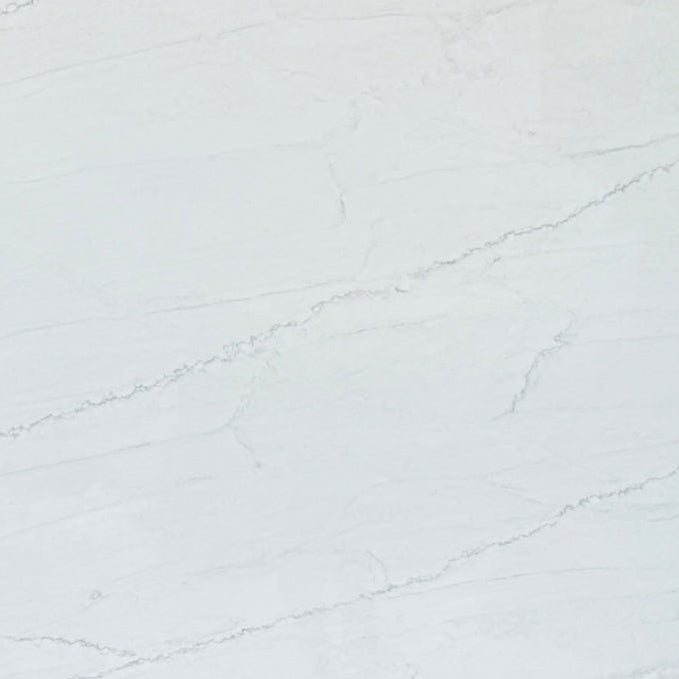
Quartzite Countertops come from natural stone. Each slab has its own pattern. That gives the kitchen a rare look. Quartz Countertops come from mineral quartz mixed with resins and pigments. This gives quartz a clean and even look.
For Houston homes, the right choice depends on budget, use, style, and resale goals. Some buyers prefer the natural look of quartzite. Others like the low care needs of quartz. This guide explains Quartzite vs Quartz Countertops in plain terms so you can make a clear choice.

Quartzite vs Quartz: What Makes Each Countertop Different?
Quartzite vs Quartz can feel confusing at first. The names sound close, but the materials act in different ways. Quartzite begins as sandstone. Heat and pressure turn it into a hard natural stone. It often has soft lines, rich movement, and a marble-like look. Many Houston buyers like quartzite for this reason.
Quartz has a more controlled look. Factories mix crushed quartz with resin and color. This creates slabs with steady patterns and colors. Some quartz slabs copy marble or stone looks, but the design repeats more than natural stone.
- Quartzite Countertops suit buyers who want a natural stone surface.
- Quartz Countertops suit buyers who want a clean look and simple care.
- Natural Stone Countertops often carry a premium feel.
- Quartz gives more control over color and pattern.
Houston kitchens often serve families, friends, and daily meals. A countertop needs to handle real use. Quartzite can bring a high-end stone look that appeals to buyers who value natural materials. Quartz can appeal to buyers who want less upkeep.
The right choice also depends on the rest of the house. A luxury kitchen may gain more appeal from quartzite. A busy family kitchen may benefit from quartz. You can view more stone options through Terra Granite’s Collections page.
Quartzite vs Quartz Durability in Houston Kitchens
Quartzite vs Quartz Durability matters for any kitchen. Houston homes often see daily cooking, spills, heat, and busy routines. Quartzite ranks high for hardness. It can resist scratches better than many other stones. It handles heat better than quartz, too. A hot pan can harm quartz resin, so many people use trivets with quartz.
Quartz also performs well in daily use. It resists stains better than many natural stones. The resin in quartz helps block liquids from soaking in. This makes quartz a strong choice for coffee, juice, oil, and sauce spills.
- Quartzite handles heat well.
- Quartz resists stains well.
- Quartzite can scratch less in many cases.
- Quartz can chip at edges from hard impact.
- Both materials need normal care.
For value, buyers often look for a countertop that feels solid and looks clean. Both surfaces can help with that. Quartzite may add stronger visual value in homes with luxury finishes. Quartz may add practical value in homes where easy care matters most.
Houston buyers often compare kitchens fast during a showing. A clean stone surface can leave a good first impression. A rare quartzite slab can stand out. A neat quartz surface can also make the kitchen feel fresh.
For natural stone choices, Terra Granite’s Quartzite selection can help people compare colors and patterns.
Quartzite vs Quartz Cost and Long-Term Value
Quartzite vs Quartz Cost often plays a large role in the final choice. Quartzite can cost more than quartz. The price depends on the slab, color, thickness, edge style, and installation needs. Rare quartzite colors can raise the total cost. Quartz has a wider price range, so many buyers can find an option that fits the budget.
Cost does not tell the full story. Value also comes from how the countertop supports the home’s style and use. A high-end Houston home may gain more buyer interest from Quartzite Countertops Houston options. A mid-range home may gain more value from Quartz Countertops Houston options that look clean and cost less.
- Quartzite often costs more upfront.
- Quartz can offer a lower total project cost.
- Rare quartzite slabs can add a luxury look.
- Quartz gives steady style at many price points.
- Installation quality affects final value.
The Best Countertop Material depends on the home. A house with custom cabinets, stone floors, and premium fixtures may match quartzite better. A simple, modern kitchen may look great with quartz. Both can support resale value when the color, layout, and finish fit the home.
Buyers care about beauty, but they also care about signs of care. A countertop with cracks, stains, or poor seams can hurt the kitchen’s appeal. Good material choice and skilled installation both matter.
Quartzite vs Quartz Maintenance and Daily Care
Quartzite vs Quartz Maintenance creates one of the biggest differences between these two materials. Quartz needs less routine care. It does not need sealing. A soft cloth and mild soap usually handle most messes. This makes quartz a strong fit for busy homes.
Quartzite needs more care. Since it comes from natural stone, it often needs sealing. The seal helps protect the stone from stains. The sealing schedule depends on the stone and daily use. Some quartzite slabs need more care than others.
- Quartz needs no sealing.
- Quartzite may need sealing.
- Mild soap works well for both.
- Harsh cleaners can harm surfaces.
- Fast cleanup helps both materials last longer.
For Quartzite vs Quartz Pros and Cons, care plays a clear role. Quartz wins for simple upkeep. Quartzite wins for natural beauty and heat resistance. A Houston buyer who cooks often may like quartzite for heat strength. A buyer with kids may like quartz for stain resistance and low care.
Daily habits also matter. Cutting boards help both surfaces. Trivets protect quartz from heat. Gentle cleaners protect the finish. A countertop can last longer when people use it with care.
A home sale can also benefit from easy care. Some buyers ask about sealing and upkeep. Quartz gives a simple answer. Quartzite gives a premium look, but it asks for more attention.

Which Countertop Adds More Value to a Houston Home?
The answer depends on the home, the buyer, and the kitchen design. Quartzite vs Quartz Countertops both can add value. Quartzite often adds more visual appeal in upscale spaces. It has a natural stone look that many buyers connect with luxury. Each slab feels different, which can make the kitchen feel more custom.
Quartz can add value through clean style and low care. Many buyers like that. Quartz fits modern homes, rental properties, and busy family kitchens. It gives a neat surface without sealing needs.
- Choose quartzite for a natural stone look.
- Choose quartz for low care.
- Choose quartzite for a premium kitchen style.
- Choose quartz for steady color and pattern.
- Match the slab to the home’s price range.
In Houston, buyers often respond well to a kitchen that looks fresh, bright, and cared for. A countertop alone will not carry the whole home value. Cabinets, lighting, layout, and floors also matter. But the countertop sits at eye level. People notice it right away.
For a luxury home, quartzite may add stronger appeal. For a practical kitchen, quartz may bring the better return. The best choice feels right for the home and supports how people use the space each day.
Conclusion
Quartzite vs Quartz Pros and Cons come down to beauty, cost, care, and daily use. Quartzite Countertops give a natural, high-end look. They can help a Houston kitchen feel rare and refined. Quartz Countertops give steady style and simple care. They work well for many homes and budgets.
For people who want Natural Stone Countertops, quartzite makes a strong choice. For people who want simple upkeep, quartz often makes more sense. Both materials can add value when the color, design, and installation fit the home.
Terra Granite helps Houston customers compare countertop materials, slabs, and design options. You can learn more through the Terra Granite home page: Terra Granite.