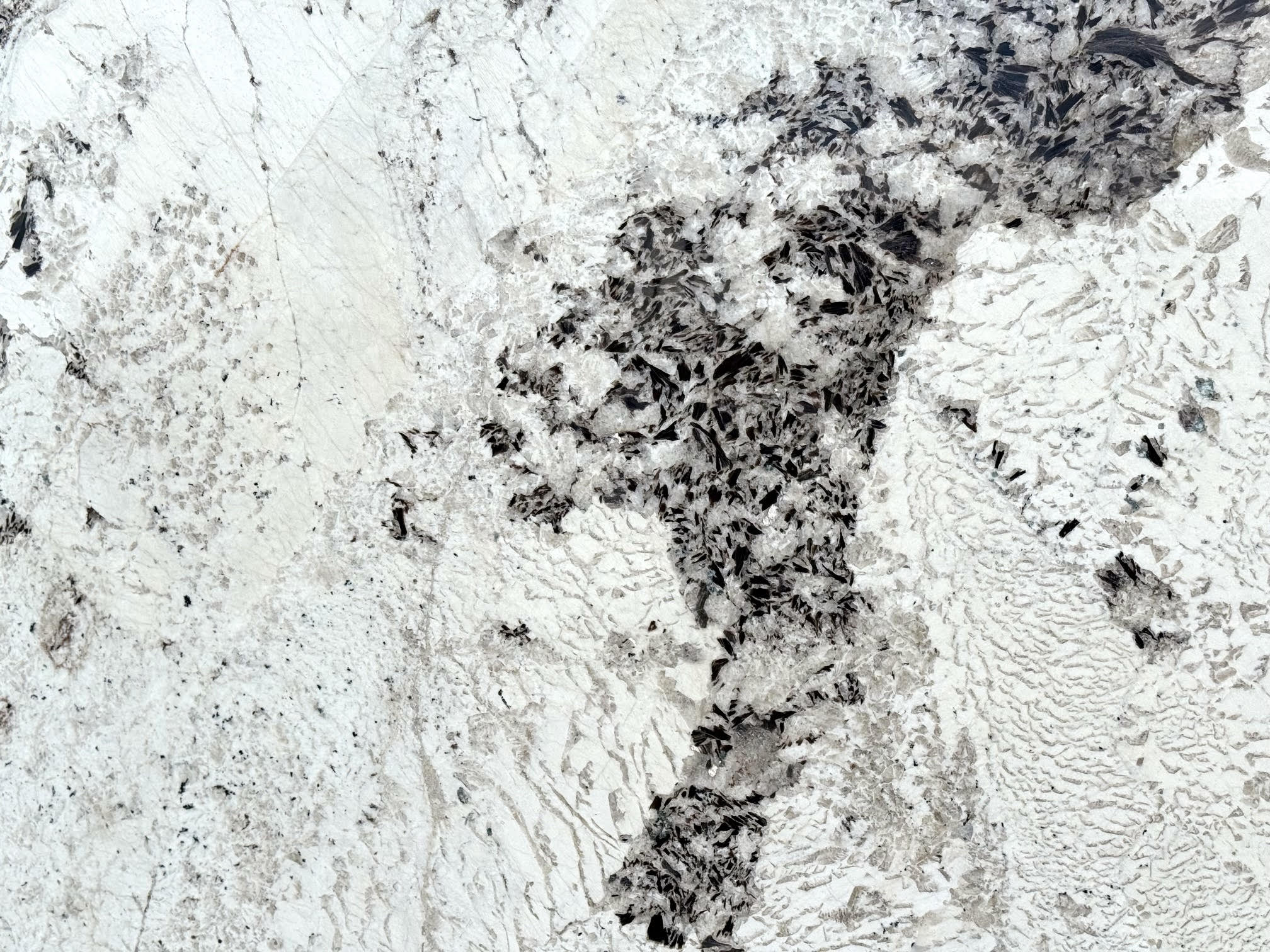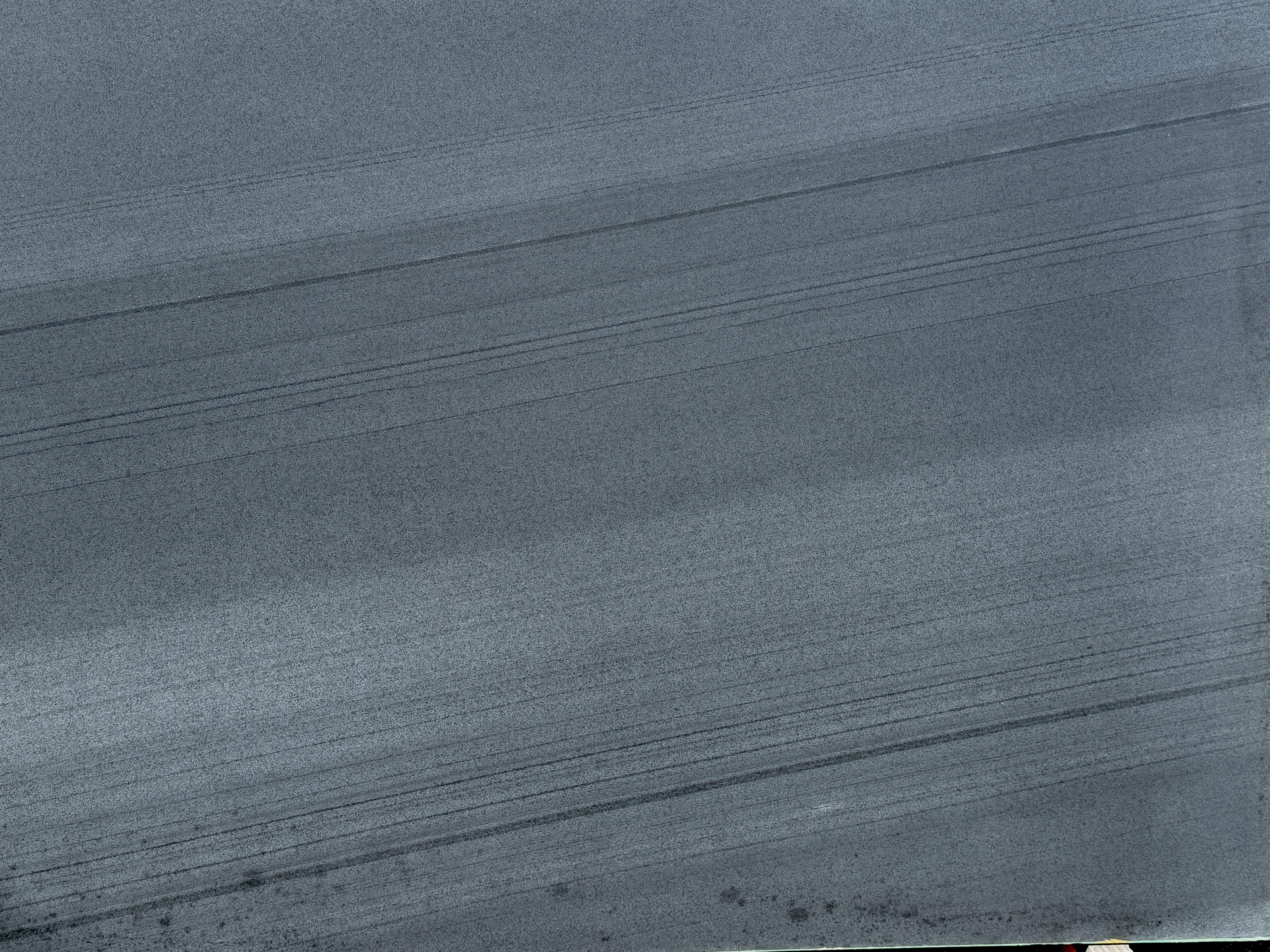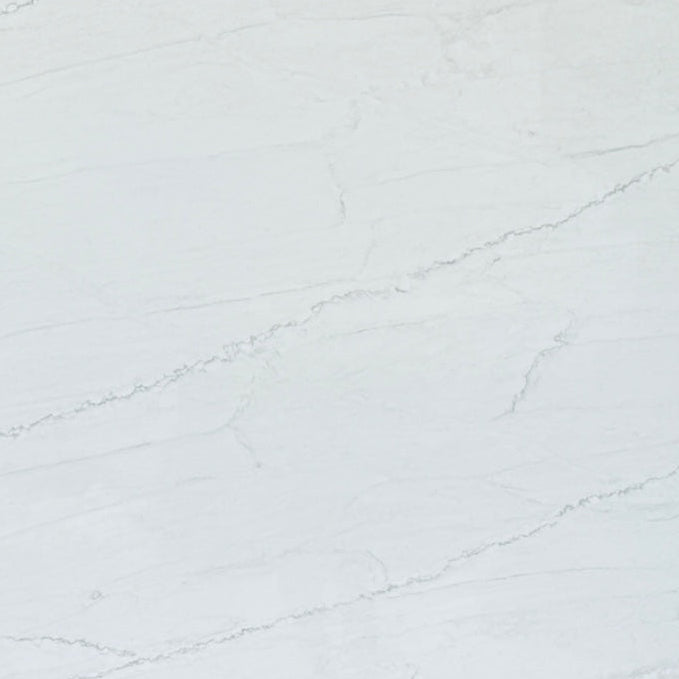

A bold stone pattern can catch the eye long before anyone reads the label. Deep gold veins, pale waves and dark bands all look striking on a full slab. Yet the words exotic granite do not always tell the full story of the rock.
Not every exotic granite slab is true granite. The stone trade uses broad names for rocks that share certain traits. A geologist uses mineral content and rock origin to name them. Those two systems can place the same slab in different groups.
For Houston buyers, that gap affects more than a name on an invoice. It can shape cleaning habits, the risk of acid marks and the way a fabricator cuts a counter.
At Terra Granite, we offer many colours and patterns in our exotic granite collection. Our product details also show why a buyer gains more from the rock type than from a sales label. Here is what those names mean and how they affect a real project.
The Name on the Slab May Describe a Sales Group
A true granite has a clear rock origin. Hot molten rock cools deep below the ground. Quartz, feldspar and other minerals form grains as the rock cools. That mix gives granite much of its familiar speckled look.
Stone shops use the word granite in a wider way. The Natural Stone Institute explains that the trade groups some other rocks with granite. Gneiss, gabbro and basalt can fall into this sales group. Their properties may fit similar jobs, but their geology differs.
The word exotic adds a second layer. It often points to an unusual pattern, colour or visual style. It does not serve as a mineral test.
A buyer may see a long, flowing band and assume the rock is quartzite. Another may see small grains and assume granite. Neither pattern can prove the rock type on its own.
Three parts of a stone name can mean different things:
-Rock type tells us about minerals and how the stone formed.
-Trade name helps buyers find a colour or pattern in a catalogue.
-Collection name helps group slabs for browsing and design choices.
These names can work together. Trouble comes when one name stands in for all three. Exotic granite slabs in Houston deserve a closer look than the collection tag alone.
Two Slabs in Our Collection Show the Difference
Our own catalogue offers a clear example of the naming gap. We feature Fantasy Brown in our exotic granite range. Our product page describes it as a hard marble from India. The stone has broad waves of grey, tan and white, with shifts in tone across the face.
That description gives buyers two useful facts. The slab has the flowing look they may seek in exotic stone. Yet our product text places it in the marble family, not true geological granite. A buyer should use that material detail when planning care.
Our White Fantasy page offers a second example. We describe White Fantasy as marble. Its pale ground and soft grey veins may resemble other light stones. Colour alone cannot prove the rock type.
The lesson goes beyond these two names. A collection groups choices for shopping. Each product page gives a closer account of the stone. A slab may look right for a kitchen yet need more care near a hob, tap or food prep area.
Trade names also differ across suppliers. The exact slab details matter most.
At our Houston slab centre, we show stone choices for real projects. The useful question is not just, “Do I like this pattern?” It is also, “What rock am I buying, and what care does it need?”
The Kitchen Tells You More Than a Showroom Label
Stone meets far more than light in a working kitchen. Coffee can drip near a mug. Oil can reach a counter by the cooker. Lemon juice can land near a chopping board. These daily events reveal why minerals matter.
True granite countertops often handle common kitchen acids well. Quartz and feldspar resist many food acids. Many granites also resist scratches well. They can still chip, stain or suffer harm from harsh cleaning products.
Marble countertops face a different risk. Marble often contains calcite or dolomite. Acid can react with these minerals and dull the surface. Stone experts call that mark an etch. It may look like a stain, but it changes the finish rather than just the colour.
True quartzite forms from sandstone rich in quartz. It tends to resist scratches and common food acids. Some slabs that sellers call quartzite contain other minerals or belong to another rock family. The exact material still matters.
A simple set of questions can link the rock to the room:
-Does this counter face daily citrus juice or vinegar?
-Will a dark, glossy finish make dull patches easy to see?
-Could a pale stone hide small marks but show oil stains?
-Does the household want a surface with little routine care?
Granite vs quartzite vs marble is less about a winner and more about the right fit.
A Sealant Cannot Change the Rock Beneath It
Sealing is a common part of stone care, but it has limits. A penetrating sealer slows the way some liquids enter the stone. It does not turn a porous slab into glass. It cannot change calcite into quartz.
That fact matters for exotic granite kitchen countertops with marble-like minerals. A sealer may help lower stain risk. It will not stop an acid from etching marble. A clean counter may still show a dull ring after a spill of lemon juice.
Stone density also varies. Some granite needs little or no sealing. Other slabs may benefit from a suitable product. The Natural Stone Institute advises buyers to match sealant choice to the stone and its use. No fixed yearly rule suits every slab.
Polished stone reflects light and shows fine detail. Honed stone has a low sheen. Leathered stone has a light texture that changes how the pattern looks and feels. None of these finishes settles the rock's mineral type.
Daily care can stay simple:
-A soft cloth and a mild, stone-safe cleaner suit routine wiping.
-Fast spill clean-up can lower the chance of lasting marks.
-Chopping boards help protect tools and the counter surface.
-Heat mats reduce the risk from hot cookware and sudden heat.
A fabricator can check if a slab has resin or another surface treatment. That detail can affect the best cleaning advice. Natural stone care works best when the plan fits the exact slab, not a broad product label.
The Full Slab Has Clues That a Small Sample Misses
A full slab reveals far more about the pattern. Its bands may run in one clear line or change course across the stone. Pale sections may meet dark mineral patches near an edge.
This matters for buying exotic granite in Houston. A large kitchen island might need a single clear pattern. A long counter may need two sections with a vein match. An opening for a sink or hob may cross a mineral band. These details can affect the cutting plan.
A fabricator can judge the stone's traits and the proposed layout. A natural line is not always a crack, and a polished face may hide small repairs. Some slabs have resin fills or a mesh back. These features call for a closer look during planning, not a quick guess about quality.
A useful review has several parts:
-The actual rock type and any known mineral traits.
-The slab's full size, thickness and finish.
-The direction of strong veins across each cut.
-Any filled areas or surface treatments near key openings.-
The count of slabs needed for the final layout.
A test on a spare piece may help identify acid response or hardness. Such tests can mark stone. A fabricator should assess the need and use a suitable offcut.
Houston natural stone slabs can vary a great deal from piece to piece. The best choice joins a clear material ID with a layout that uses the slab well.
A Clear Quote Should Say More Than “Exotic Granite”
The quote for a new counter needs to describe the job as well as the stone. A short line that reads “exotic granite” leaves too much open. It does not show the product name, finish, thickness or full cutting plan.
Our Titanium Gold listing shows why product details matter. We describe a dark granite with gold veins and list slab sizes and thickness choices. These details help a buyer talk with a fabricator about the work. They do not replace a full quote or a review of the actual slab.
The written scope can cover these points:
-The trade name and the supplier's rock description.
-The slab count, thickness and chosen finish.
-The plan for seams, edge profiles and cut-outs.
-Any need for extra support near long spans.
-The work that the quoted price includes.
A bold pattern can need careful placement across a seam. A sink cut-out may leave a thin strip of stone. The fabricator must judge the support and the cut plan for that job. A slab price cannot tell the full job cost.
Houston granite slab buyers also benefit from clear care details after fitting. The stone name, any sealant and the surface treatment belong in the final records. The right paperwork helps the buyer care for the counter with less guesswork.
A Better Stone Choice Begins With a Better Name
An exotic granite label can point to a beautiful slab without naming its true geology. For daily use, that distinction matters. Minerals affect acid marks, surface care and the kind of checks a fabricator may need.
We believe buyers should have room to choose for both style and real use. At Terra Granite, our Houston collection offers a range of natural stone looks. Our product pages give a useful place to learn more about each choice. The best match rests on clear facts. The rock type must suit daily use. The final cut must fit the room.
Frequently Asked Questions
1. Is exotic granite always natural granite?
No. Exotic granite is a trade and collection label. Some slabs are true geological granite. Others may belong to different rock families. The supplier's product details and the slab's mineral makeup provide a more useful answer than appearance alone.
2. Why is Fantasy Brown in our exotic granite collection?
We group stones in our collection to help shoppers explore colours and patterns. Our Fantasy Brown product page describes the stone as hard marble. The product description gives buyers a clearer guide to its material type and likely care needs.
3. Is White Fantasy granite or marble?
We describe White Fantasy as marble on our product page. Its pale base and flowing veins may resemble other stones, but the look does not prove a geological name. Buyers should discuss acid response and care with a stone expert.
4. Can a sealer make marble act like granite?
No. A sealer can slow some liquids from entering the stone. It cannot stop the mineral reaction that causes acid etching in marble. Cleaning habits and the stone's actual makeup still matter.
5. Does true quartzite scratch or etch easily?
True quartzite tends to resist scratches and common food acids well. Some products carry a quartzite trade label without the same mineral traits. A sound material ID matters more than the name alone.
6. Are leathered slabs harder to clean than polished slabs?
Care depends on the rock and its surface treatment. Leathered stone has a light texture, so dirt can collect in some low spots. A suitable mild cleaner and a soft cloth help with daily care.
7. Can two slabs with the same name look different?
Yes. Natural stone patterns change from slab to slab. The colour, vein flow and mineral bands may vary. Full-slab photos and a direct review help buyers plan a matching kitchen island or long worktop.
8. What should a Houston buyer ask before paying for a slab?
The key details are the rock type, finish, thickness, slab size and cutting needs. A fabricator can also assess seams, support and surface treatments. The quote should state which work the price covers.