
Brazil and India both supply striking natural stone for kitchens, baths, bars, and feature walls. Country of origin gives useful sourcing context, but origin alone does not tell a buyer which slab will suit a project best.
A useful Brazilian vs Indian granite review looks at the actual slab. Color, vein flow, mineral pattern, finish, thickness, size, and planned cuts all shape the finished counter. Physical properties and fabrication needs matter too.
Terra Granite’s Exotic Granite collection currently includes 22 products. The range includes Brazilian and Indian stones, along with several slab sizes, 2 cm and 3 cm options, and polished or leather finishes.
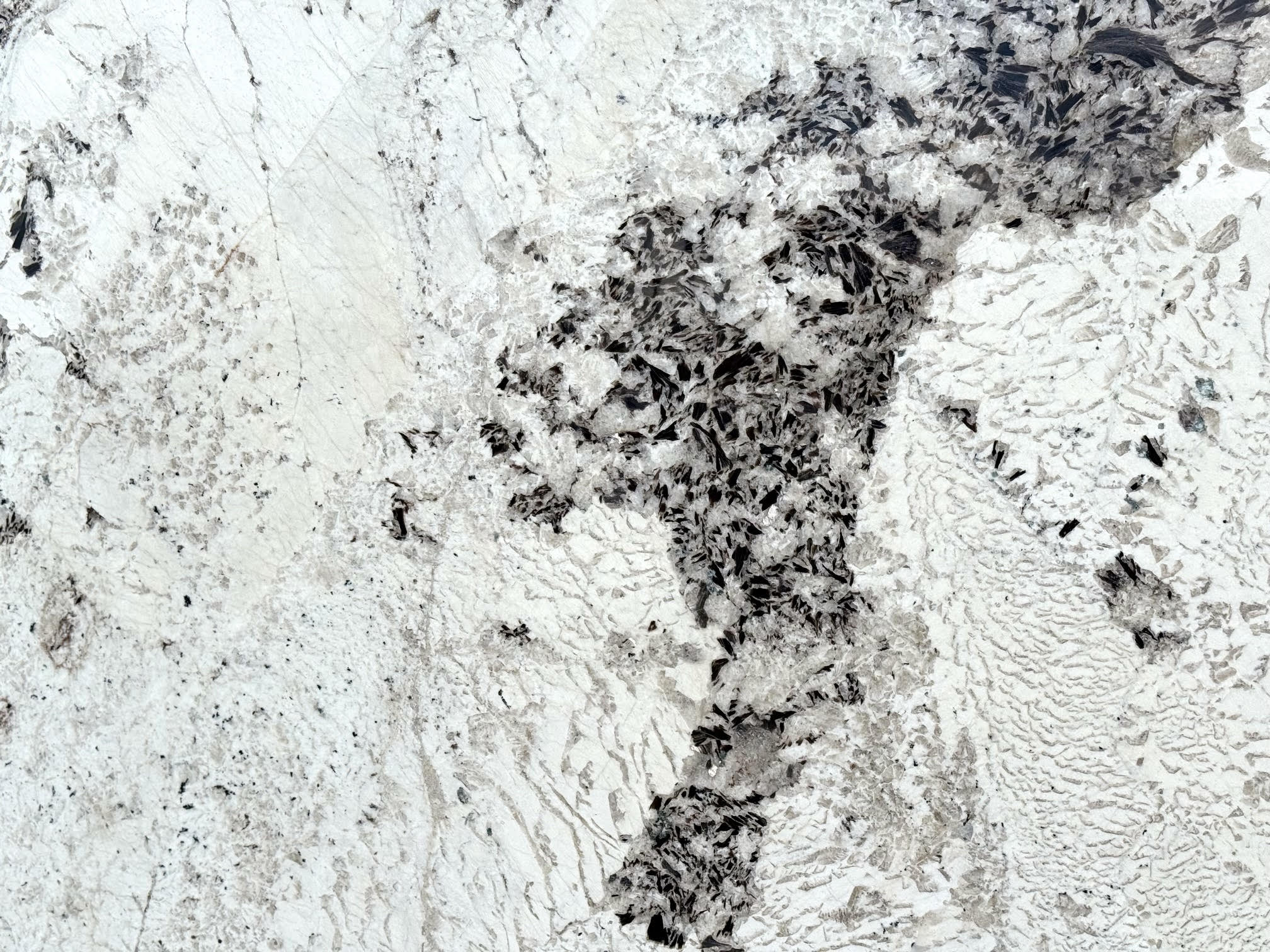
That range helps Houston granite buyers compare actual materials rather than rely on broad ideas about one country. A Brazilian slab may have bold black and gold movement. Another Brazilian stone may use earthy tones. Indian slabs can range from pale flowing patterns to dark black-and-white movement.
The right choice comes from the room and the individual slab. A large island needs different pattern planning from a small vanity. A busy family kitchen also puts more focus on surface care and practical use.
Brazilian vs Indian Granite: Compare the Slab, Not Just the Origin
A country name helps track where stone comes from. It does not act as a design grade or durability score. Brazil and India both have large stone industries and many geological areas. Slabs from one country can look very different from one another.
That point matters in any granite comparison guide. Buyers get more useful information from the exact stone name, slab face, finish, dimensions, thickness, and physical traits.
Terra Granite gives a clear Brazilian example with Titanium Gold. Terra Granite lists Brazil as its origin. The stone has a black background with gold veining. Current entries include polished and leather surfaces in 3 cm, plus other listed dimensions and thickness options.
Indian stone shows just as much range. Terra Granite lists Fantasy Brown with India as origin and gives leather and polished finish options. Its listed colors include blue, gray, light gray, tan, and white.
These examples show why broad rules such as “Brazilian stone has more movement” or “Indian stone looks more uniform” can mislead a buyer. The actual product gives a better answer.
A useful comparison covers:
- Main background color and vein direction.
- Large movement versus smaller repeated pattern.
- Polished, leather, or dual-finish options.
- Slab dimensions for the planned counter.
- 2 cm or 3 cm thickness.
- Number of matching slabs needed for the room.
- Natural marks that form part of the slab.
The exotic granite Houston choice should fit the full room. Cabinet color, flooring, wall paint, hardware, and light all change how a slab looks after installation.
Brazilian Granite Slabs and Indian Granite Slabs: Pattern and Finish Matter
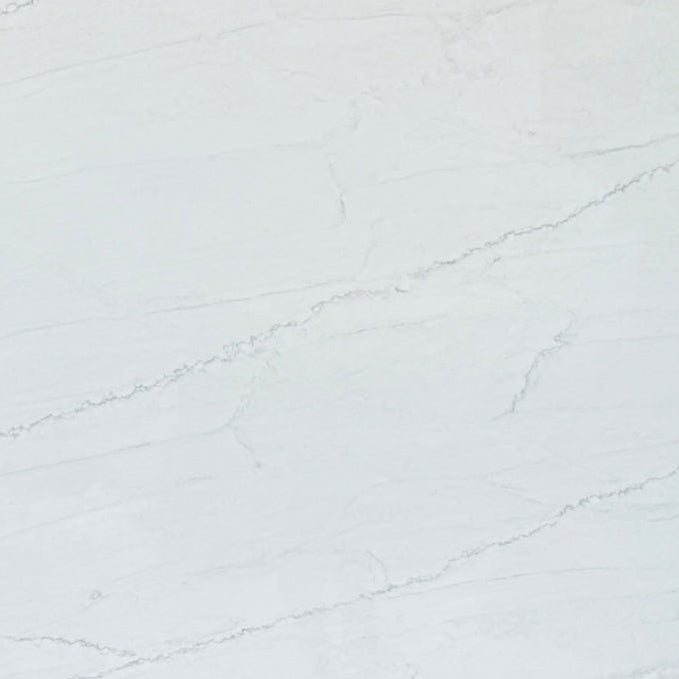
Visual character often leads the buying process. Full slabs show far more than a small sample. Broad veins can travel several feet. Dark areas may sit beside pale mineral zones. Some sections can look calm, and another part of the same slab can carry strong movement.
Brazilian options in Terra Granite’s range show how wide the choice can become. Titanium Gold uses a dark black field with gold movement. Terra Granite also lists Maori Granite with Brazil as origin. Maori has deep earthy tones and strong veins, and the current product page lists a polished 3 cm slab.
Indian stone also covers very different looks. Blue Dunes Granite comes from India, according to Terra Granite. The stone uses taupe and light brown tones with dark brown veins and blue crystal notes. Terra Granite lists polished and leather inventory in 3 cm.
Black Forest offers another Indian example. Terra Granite describes a dark base with white movement and lists 3 cm material with polished and leather finish data.
A good review of Brazilian granite slabs and Indian granite slabs focuses on three visual points.
Pattern scale comes first. Large sweeping movement often needs enough open surface to show well. A broad kitchen island gives such movement more room.
Finish comes next. Polished stone reflects more light. Leather treatment creates a more textured face and softer reflection.
Color balance comes last. Warm cabinets may work with gold, brown, or tan notes. White, gray, and black stone can form a sharper palette.
The country name stays useful, but the slab face makes the design decision far clearer.
Granite Durability Comparison: What Matters for Countertop Use
Granite has a strong record as a countertop stone. The Natural Stone Institute describes granite as one of the harder dimension-stone groups and notes strong scratch resistance in many granite varieties. It also reports low water absorption ranges for stones in the group.
That does not mean every granite performs in exactly the same way. A proper granite durability comparison looks at the individual material and project. The Natural Stone Institute’s stone-selection guidance covers physical and mechanical properties, finish, appearance, samples, and cost.
Origin alone does not replace those checks. A buyer comparing Brazil and India gets a stronger picture from the stone data, slab condition, finish, and fabricator’s input.
The best granite for countertops should suit normal room use. A kitchen counter deals with hot cookware, liquids, oils, food, cleaning, and regular contact. A vanity sees a different mix of products and water. Outdoor use adds another set of needs.
Thickness also affects the project. Terra Granite’s exotic collection currently shows both 2 cm and 3 cm filters. Individual stones may come in one thickness or several options.
Surface care matters after installation. The Natural Stone Institute says many granite counters already resist moisture well. Some slabs gain more stain resistance from a suitable impregnating sealer. It also says many stones receive resin treatment during slab production.
A buyer can frame the durability review around:
- Stone type and composition.
- Slab thickness.
- Surface finish.
- Fabrication around sinks and cooktops.
- Care needs.
- Sealer guidance for the chosen slab.
- Use indoors or outdoors.
These points give granite countertop materials a fairer comparison than country of origin alone.
Slab Size, Seams, and Layout Matter for Houston Countertops
A slab can look perfect at the warehouse and still create layout problems if its dimensions do not fit the job. Large islands need broad usable sections. Long wall runs also affect seam planning. Sink and cooktop openings can remove a large part of a strong vein.
This makes slab dimensions a major part of choosing exotic stone slabs Houston projects can use well.
Terra Granite lists Maori Granite as a Brazilian 3 cm polished stone with a current listed size of 128 x 78. The slab carries strong earthy movement, so a cut plan would affect which visual areas reach the final counter.
Indian materials come in different dimensions as well. Blue Dunes currently shows 3 cm slabs around 130 to 132 inches long on Terra Granite’s product page. Fantasy Brown lists several stock sizes in its product details.
A useful buying plan covers more than total square footage:
- Island length and width.
- Main wall-counter runs.
- Sink and cooktop openings.
- Backsplash plans.
- Vein direction.
- Seam locations.
- Need for one slab or several related slabs.
- Edge profile and thickness.
Two slabs with the same product name can still show natural differences. A buyer working on a large kitchen gains more clarity by viewing all planned slabs together.
Cost also needs a full-project view. Material price forms one part. Fabrication, edge work, cutouts, seams, installation, and the number of slabs affect the final figure.
For Houston countertop materials, the best comparison links appearance with layout. A less costly slab that needs an extra full piece may change the project budget. A larger slab with the right movement may reduce awkward seams.
10 FAQs About Brazilian vs Indian Exotic Granite
1. Is Brazilian granite better than Indian granite?
Neither origin gives an automatic quality advantage. The individual slab, stone type, finish, thickness, pattern, and project needs give buyers a better basis for comparison.
2. Does Brazilian granite always have bold veining?
No. Brazilian stones cover many colors and pattern types. Some show large movement, and others appear calmer. The full slab gives the clearest view of its character.
3. What colors appear in Indian granite slabs?
Indian stones come in many palettes. Terra Granite currently lists examples with black, white, gray, tan, brown, blue notes, and mixed natural vein patterns.
4. Is granite suitable for a busy kitchen countertop?
Granite offers strong hardness and scratch resistance in many varieties. The exact stone, finish, fabrication, cleaning routine, and care needs still shape daily performance.
5. Is 3 cm granite better than 2 cm granite?
Each thickness suits different projects and fabrication plans. Counter size, edge design, support, stone choice, and fabricator guidance help set the right thickness.
6. Do polished and leather granite look different?
Yes. A polished face reflects more light and gives a glossy look. Leather treatment adds surface texture and gives the slab a softer visual reflection.
7. Should matching granite slabs come from the same lot?
Related slabs often make pattern planning easier in a large kitchen. Natural variation still appears, so viewing every planned slab together gives a clearer result.
8. Why does slab size matter for a kitchen island?
A larger usable slab can cover more of an island with fewer seams. Size also affects vein placement, cutouts, waste, and the number of slabs the project needs.
9. Does granite always need a sealer?
No. The Natural Stone Institute says many granite counters do not need sealing. Some materials gain more stain resistance from a suitable impregnating product.
10. What should Houston buyers compare at a slab yard?
Useful checks include color, vein flow, dimensions, thickness, finish, slab count, natural marks, cut plans, care needs, fabrication details, and total project cost.
A strong Brazilian vs Indian granite decision comes from the slab, not the country name alone. Both origins offer dark stones, pale stones, strong movement, quiet patterns, and several surface choices.
For Houston granite buyers, room size and fabrication plans deserve as much attention as color. The exact slab needs to fit the counter runs, island, cutouts, seams, and design palette.
Terra Granite carries Brazilian and Indian options within its exotic stone range at its Houston slab center. Buyers comparing exotic granite Houston materials can visit our page at Terra Granite to view the current collections and product details.